

Drivetrain systems influence how a vehicle handles traction, stability, and road conditions. All-wheel drive and four-wheel drive are often mentioned together, yet each serves a different purpose depending on driving needs and environment. Road surfaces, weather patterns, and vehicle usage all factor into drivetrain performance. Understanding how both systems operate helps drivers evaluate capability, efficiency, and practicality when selecting a vehicle suited for everyday travel or challenging terrain.
How All-Wheel Drive Systems Function
All-wheel drive systems distribute power to all four wheels automatically, adjusting torque as driving conditions change. Sensors monitor wheel speed and traction, allowing power to shift between wheels when slippage occurs. Operation remains seamless, requiring no input from the driver during normal use . All-wheel drive often supports improved stability on wet or uneven roads.
Many all-wheel drive systems prioritize efficiency by sending power primarily to two wheels during steady driving. When traction demands increase, power is redirected as needed. Such systems perform well in rain, light snow, or gravel. Continuous monitoring supports smoother handling and balanced performance during everyday driving conditions.
How Four-Wheel Drive Systems Operate
Four-wheel drive systems are traditionally designed for rugged terrain and demanding environments . Power is distributed equally to all four wheels when engaged, providing maximum traction on loose or uneven surfaces. Engagement often requires driver input, allowing selection between two-wheel and four-wheel operation. Many systems include low-range gearing for additional torque.
Four-wheel drive excels during off-road driving, steep inclines, or deep snow. Locking differentials and mechanical components deliver consistent power to each wheel. Such systems are common in trucks and sport utility vehicles designed for towing or trail use. Strength and durability remain defining characteristics of four-wheel drive platforms.
Traction, Handling, and Road Conditions
Traction needs vary depending on road surfaces and driving environments. All-wheel drive supports enhanced grip during everyday conditions such as rain or light snow. Automatic adjustments help maintain stability without requiring driver intervention. Handling often feels smooth and predictable during highway travel or urban driving.
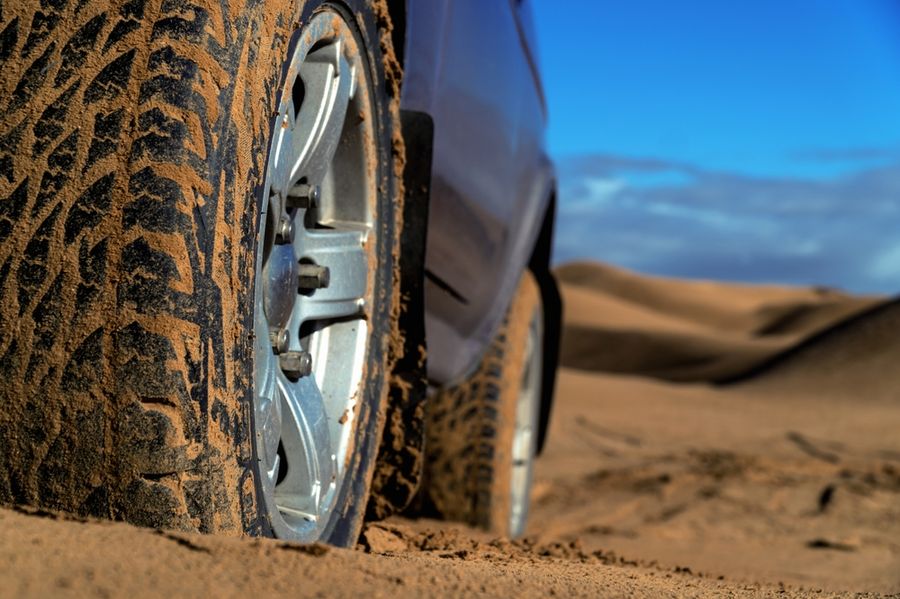
Four-wheel drive offers superior traction in extreme conditions where wheels may lose contact with stable surfaces. Mud, sand, rocks, and deep snow benefit from equal power distribution. Handling may feel heavier on paved roads, especially during sharp turns. System design focuses on capability rather than everyday comfort.
Fuel Efficiency and Everyday Driving
Fuel efficiency often differs between drivetrain systems due to mechanical complexity and power distribution. All-wheel drive systems are typically lighter and more efficient during routine driving . Power delivery adjusts based on demand, which helps reduce unnecessary energy use. Many passenger vehicles use all-wheel drive to balance traction and efficiency.
Four-wheel drive systems add weight and mechanical resistance, which can reduce fuel economy. Engaging four-wheel drive increases drivetrain load and fuel consumption. Drivers often operate vehicles in two-wheel mode during normal driving to conserve fuel. Efficiency considerations play an important role when selecting a system for daily commuting.
Maintenance, Cost, and Vehicle Availability
Maintenance requirements vary based on drivetrain complexity. All-wheel drive systems rely on sensors, differentials, and electronic controls that require proper servicing. Regular inspections help ensure smooth operation and long-term reliability. Repair costs may increase if electronic components fail over time.
Four-wheel drive systems use heavier mechanical components designed for durability. Maintenance includes servicing transfer cases, differentials, and driveline parts. Initial vehicle cost may be higher due to added capability. Availability often depends on vehicle class, with four-wheel drive more common in trucks and off-road-focused models.
Driving Needs and Lifestyle Considerations
Driving environment plays a major role in drivetrain selection. Urban and suburban drivers may benefit from all-wheel drive due to frequent paved-road travel and variable weather. Automatic operation supports convenience and ease of use. Comfort and efficiency often align with everyday driving routines.
Four-wheel drive suits drivers who regularly encounter rugged terrain or require towing capability. Rural environments, unpaved roads, and outdoor recreation often demand greater traction. System engagement allows drivers to adapt to challenging conditions. Lifestyle and usage patterns strongly influence drivetrain suitability.
Selecting the Drivetrain That Fits Your Roads
Choosing between all-wheel drive and four-wheel drive depends on driving conditions, vehicle purpose, and personal priorities. All-wheel drive supports stability and efficiency during daily travel, while four-wheel drive delivers strength and traction for demanding environments. Understanding system behavior helps drivers align capability with real-world needs. A well-matched drivetrain enhances confidence, safety, and long-term satisfaction behind the wheel.