

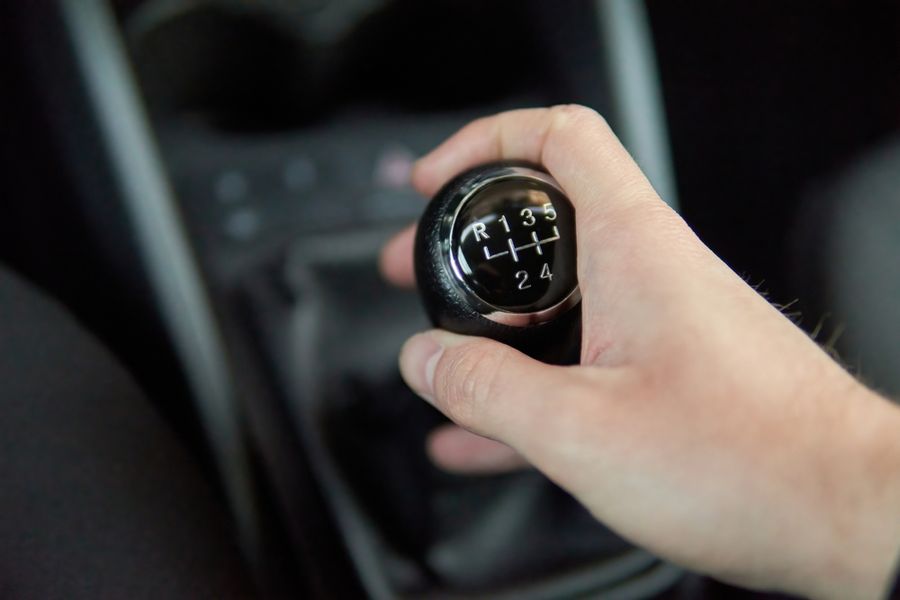
Transmission type plays a major role in how a vehicle operates, responds, and feels during everyday driving. Automatic and manual transmissions each manage power delivery from the engine to the wheels in distinct ways, shaping acceleration, control, and overall driving experience. Preferences often depend on driving conditions, comfort level, and long-term ownership goals. Understanding the fundamental differences between automatic and manual systems helps drivers make informed decisions that align with driving habits, maintenance expectations, and performance needs.
How Automatic Transmissions Operate
Automatic transmissions handle gear changes without direct input from the driver. Sensors and onboard systems determine when to shift gears based on speed, throttle position, and engine load. A torque converter replaces the traditional clutch, allowing the vehicle to remain in gear while stopped without stalling. Gear changes occur smoothly, making automatic transmissions especially convenient during stop-and-go traffic.
Modern automatic systems have evolved to improve efficiency and responsiveness. Many feature multiple gear ratios that help maintain optimal engine performance across varying speeds. Some designs also include adaptive programming that adjusts shift behavior based on driving patterns. Automatic transmissions offer ease of use and consistent operation, which appeals to drivers seeking comfort and simplicity.
How Manual Transmissions Function
Manual transmissions require drivers to control gear changes using a clutch pedal and gear selector. Pressing the clutch disconnects engine power from the wheels, allowing the driver to shift gears manually. Gear selection depends on speed, road conditions, and driving intent, placing more control directly in the hands of the driver. Coordination between clutch and accelerator determines smoothness and responsiveness.
This level of involvement creates a more connected driving experience for many motorists. Manual transmissions often feature fewer internal components compared to automatic systems, which can result in lower maintenance complexity. Skilled gear selection allows drivers to manage engine power precisely, particularly on hills or winding roads. Manual systems emphasize control and engagement rather than convenience.
Driving Experience and Ease of Use
Ease of use represents one of the most noticeable differences between transmission types. Automatic transmissions simplify driving by eliminating the need for constant gear changes, which can reduce fatigue during long commutes or heavy traffic. Starting, stopping, and accelerating require minimal coordination, allowing drivers to focus more on road conditions and surroundings.
Manual transmissions demand greater attention and physical input, especially during frequent stops. Shifting gears smoothly requires practice and timing, which can feel challenging for new drivers. Some drivers appreciate the added involvement and sense of control, while others prefer the relaxed operation offered by automatic systems. Driving environment often influences which option feels more comfortable.
Fuel Efficiency and Performance Considerations
Fuel efficiency has historically differed between automatic and manual transmissions. Earlier automatic systems often consumed more fuel due to power losses within the transmission. Manual transmissions allowed drivers to control gear selection more efficiently, resulting in better mileage under certain conditions. Advances in technology have narrowed that gap considerably .
Modern automatic transmissions often match or exceed manual efficiency thanks to improved gear ratios and electronic controls. Performance characteristics also vary based on driving style. Manual transmissions can provide quicker response in skilled hands, while automatic systems deliver consistent performance without driver input. Fuel economy and acceleration now depend more on vehicle design than transmission type alone.
Maintenance, Repairs, and Longevity
Maintenance requirements differ between automatic and manual transmissions. Automatic systems contain complex components such as valve bodies, sensors, and fluid channels that require precise operation. Transmission fluid condition plays a critical role in performance and longevity. Regular service helps prevent overheating and internal wear.
Manual transmissions rely heavily on clutch components that wear over time. Clutch replacement represents a common maintenance task and varies based on driving habits. Simpler mechanical design may reduce repair costs in certain situations. Longevity depends on proper use, routine inspections, and adherence to manufacturer recommendations for both systems.
Cost, Availability, and Market Trends
Cost considerations influence transmission choice during vehicle purchase. Automatic transmissions often carry a higher upfront cost due to complexity and added components. Manual transmissions typically cost less initially and may offer lower repair expenses in some cases. Pricing differences vary across vehicle classes and manufacturers.
Availability has shifted over time as automatic transmissions dominate modern vehicle markets. Many manufacturers now focus on automatic-only models, particularly in larger vehicles and hybrid platforms. Manual options remain available in select models, often appealing to driving enthusiasts. Market trends reflect changing preferences toward convenience and accessibility.
Choosing the Transmission That Fits Your Driving Needs
Transmission choice affects comfort, control, and long-term ownership experience. Driving environment, traffic conditions, and personal preferences all play important roles in selecting the right option. Automatic systems offer ease and consistency, while manual systems emphasize involvement and control. Understanding operational differences allows drivers to select a transmission that supports confidence, enjoyment, and practical needs throughout vehicle ownership.