

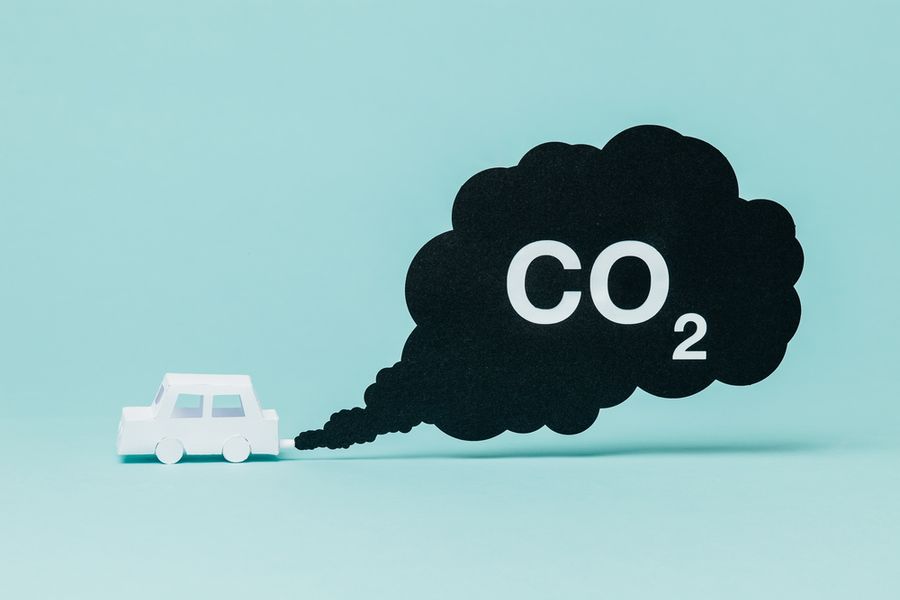
Vehicle emissions play a significant role in air quality and environmental health. Cars release gases and particles during operation that can affect ecosystems, public health, and climate conditions. Emissions standards exist to limit harmful output and encourage cleaner vehicle technology across the automotive industry. Understanding how emissions standards work and why they matter helps drivers recognize the broader impact of everyday transportation choices.
What Vehicle Emissions Include
Vehicle emissions consist of gases and particles produced during fuel combustion and engine operation. Common emissions include carbon monoxide, nitrogen oxides, particulate matter , and hydrocarbons. Each pollutant affects air quality in different ways, contributing to smog formation, respiratory issues, and environmental degradation. Emissions output varies based on engine type, fuel quality, and operating conditions.
Modern vehicles are designed to manage emissions through advanced engine controls and exhaust treatment systems. Despite improvements, emissions remain a concern due to the sheer number of vehicles on the road. Managing emissions output helps reduce harmful exposure and supports cleaner air in urban and suburban environments.
The Purpose of Emissions Standards
Emissions standards are regulations established to limit the amount of pollutants vehicles can release into the atmosphere . Government agencies set allowable thresholds for various emissions based on environmental research and public health considerations. Automakers must design vehicles that comply with such limits before sale. Standards often become more stringent over time to encourage continued improvement.
The primary goal of emissions standards is to protect air quality and reduce health risks associated with pollution. Regulations also encourage innovation by pushing manufacturers to adopt cleaner technologies. Compliance helps reduce environmental damage while supporting long-term sustainability goals. Standards serve as a framework for balancing transportation needs with environmental responsibility.
How Emissions Are Controlled in Modern Vehicles
Modern vehicles use several systems to reduce harmful emissions. Catalytic converters play a central role by transforming toxic gases into less harmful substances before release through the exhaust. Oxygen sensors monitor exhaust composition and help adjust fuel delivery for cleaner combustion . Together, these components help manage emissions during normal driving conditions.
Additional systems include exhaust gas recirculation valves and evaporative emissions controls. Such features limit the release of unburned fuel vapors and reduce nitrogen oxide formation. Engine control units continuously monitor performance to maintain compliance with emissions limits. Effective emissions control relies on proper system function and routine maintenance.
Testing, Inspections, and Compliance
Emissions testing helps verify that vehicles meet established standards throughout their service life. Testing procedures vary by region and may include tailpipe measurements, onboard diagnostics checks, or visual inspections. Regular inspections help identify vehicles producing excessive pollution due to system failures or wear. Compliance programs aim to ensure consistent emissions performance beyond initial manufacturing.
Failing emissions tests may result in required repairs or restrictions on vehicle registration. Repairing malfunctioning components often restores compliance and improves engine efficiency. Inspection programs also promote awareness of environmental responsibility among vehicle owners. Ongoing compliance supports cleaner air and reduced pollution levels over time.
Environmental and Health Impacts of Vehicle Emissions
Vehicle emissions contribute to a range of environmental and health challenges. Nitrogen oxides and hydrocarbons react in sunlight to form ground-level ozone, a key component of smog. Particulate matter can penetrate deep into the lungs, increasing the risk of respiratory and cardiovascular conditions. Long-term exposure to polluted air affects vulnerable populations most severely.
Carbon dioxide emissions from vehicles also contribute to climate change by trapping heat in the atmosphere. Rising global temperatures influence weather patterns, sea levels, and ecosystems worldwide. Reducing vehicle emissions supports broader efforts to protect environmental stability and public health. Cleaner transportation helps mitigate long-term environmental consequences.
Cleaner Technologies and Industry Progress
Automotive technology continues to evolve in response to emissions standards. Improvements in engine design, fuel injection, and exhaust treatment have significantly reduced pollution levels compared to older vehicles. Hybrid and electric powertrains further reduce emissions output by minimizing or eliminating fuel combustion. Continued development supports cleaner transportation options.
Manufacturers also invest in lightweight materials and aerodynamic designs to improve efficiency. Better fuel economy often results in lower emissions output per mile traveled. Industry progress reflects ongoing efforts to balance performance, efficiency, and environmental responsibility. Advances in technology support compliance while meeting consumer expectations.
Supporting a Cleaner Driving Future
Emissions standards play a vital role in reducing pollution and protecting environmental health. Regulations encourage cleaner vehicle design while holding manufacturers accountable for emissions output. Awareness of emissions systems and environmental impact supports responsible ownership and maintenance practices. Cleaner transportation choices contribute to healthier communities and a more sustainable future for drivers and the environment alike.