

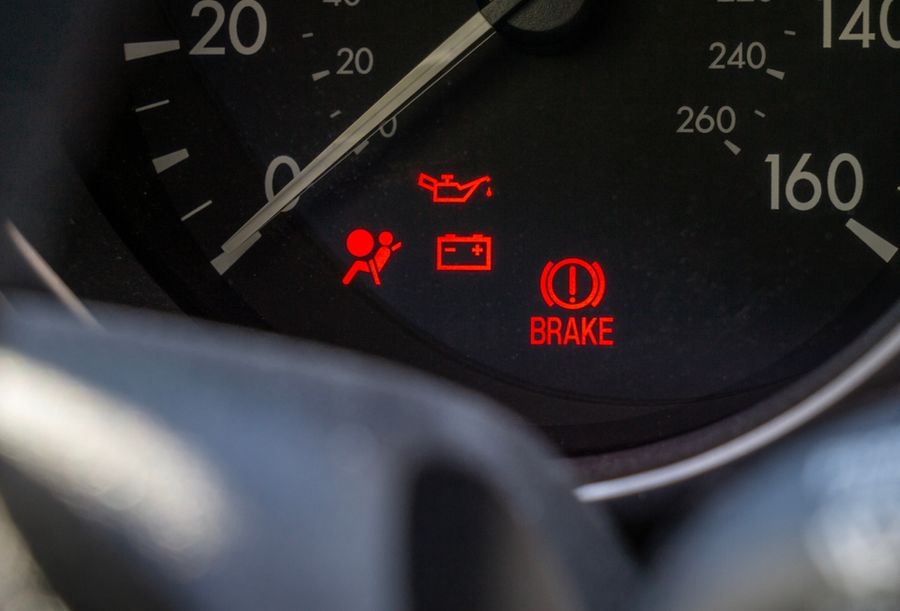
Dashboard warning lights serve as a vehicle’s primary way of communicating potential issues to the driver. When a symbol appears, it often indicates that a system requires attention, maintenance, or immediate action. While some alerts signal minor concerns, others relate directly to safety or mechanical performance. Understanding the general purpose of common warning lights helps drivers respond appropriately, avoid unnecessary damage, and maintain confidence when unexpected indicators appear while driving.
Check Engine Light and Engine Alerts
The check engine light is one of the most frequently seen dashboard indicators and also one of the most misunderstood. This light can activate for a wide range of reasons , from a loose gas cap to more serious engine or emissions system issues. While the vehicle may continue running normally, the light signals that the onboard diagnostic system has detected a problem that should be addressed.
Ignoring an illuminated check engine light can allow minor problems to grow into costly repairs. A steady light usually suggests a non-urgent issue, while a flashing light often indicates a condition that could damage the engine if driving continues. Prompt diagnosis helps preserve engine performance and fuel efficiency.
Oil Pressure and Engine Temperature Warnings
Oil pressure and temperature warning lights are critical indicators of engine health. The oil pressure light typically appears when the engine is not receiving adequate lubrication, which can lead to rapid internal damage. Low oil levels, worn components, or pump issues are common causes. Continuing to drive under low oil pressure conditions may result in severe engine failure.
Temperature warning lights alert drivers to overheating, often caused by coolant loss, fan failure, or blocked airflow. Overheating places extreme stress on engine components and can lead to warped parts or gasket damage. Pulling over safely and addressing the issue quickly can prevent long-term mechanical consequences.
Battery and Charging System Indicators
The battery warning light signals a problem with the vehicle’s electrical charging system rather than the battery alone. This system includes the alternator, battery, and related wiring that supply power to essential functions. When the light appears, it may indicate insufficient charging or an electrical fault that could eventually cause the vehicle to stall.
Driving with a charging system issue may drain the battery and disable critical features such as headlights or power steering. Early inspection allows worn components to be replaced before complete electrical failure occurs. Reliable charging supports consistent vehicle operation and helps prevent unexpected breakdowns.
Brake System and Safety Alerts
Brake-related warning lights are among the most important safety indicators on the dashboard. A brake warning light may activate due to low brake fluid, worn brake pads, or a malfunction within the braking system. Since brakes are essential for stopping power, any warning should be taken seriously and addressed without delay.
Some vehicles also feature separate alerts for anti-lock braking systems or electronic stability controls. While standard braking may still function, safety systems designed to assist during sudden stops or slippery conditions could be compromised. Maintaining full braking capability helps protect drivers, passengers, and other road users.
Tire Pressure and Stability Control Warnings
Tire pressure monitoring systems alert drivers when one or more tires fall below recommended inflation levels. Underinflated tires can affect handling, increase stopping distances, and reduce fuel efficiency. Temperature changes and slow leaks are common causes of pressure loss, making regular checks important even after the light turns off. Maintaining proper tire pressure also helps promote even tread wear and supports consistent road contact during everyday driving.
Stability control warnings indicate issues with systems designed to help maintain traction during turns or sudden maneuvers. Sensors, wheel speed differences, or system malfunctions may trigger alerts. Addressing tire and stability concerns supports safer driving and preserves predictable vehicle behavior. Reliable stability systems contribute to improved control during sudden braking, sharp turns, and challenging road conditions.
Staying Informed Behind the Wheel
Dashboard warning lights provide valuable insight into a vehicle’s condition and should never be dismissed as mere annoyances. Each symbol represents a system working to protect performance, safety, or reliability. Familiarity with common alerts allows drivers to respond calmly and make informed decisions when issues arise. Paying attention to warning lights ultimately supports safer journeys and helps extend the life of the vehicle. Staying aware of dashboard indicators also encourages proactive maintenance habits that reduce the likelihood of unexpected repairs.