

Owning a vehicle comes with ongoing responsibilities that extend beyond filling the fuel tank. Regular maintenance plays a critical role in keeping a car reliable, safe, and efficient over time. Small tasks performed consistently can help prevent costly repairs, reduce unexpected breakdowns, and support better performance on the road. Understanding basic vehicle care also gives drivers more confidence and awareness when problems arise, making car ownership a smoother and more manageable experience overall.
Routine Oil Changes and Engine Care
Engine oil serves as the lifeblood of a vehicle, lubricating moving parts and helping regulate internal temperatures. Over time, oil breaks down and collects debris, which can reduce its effectiveness and place extra strain on the engine. Regular oil changes help maintain proper lubrication and protect vital components from premature wear. Most manufacturers provide recommended intervals based on mileage or time, which should be followed closely.
Neglecting oil changes can lead to reduced fuel efficiency, overheating, and long-term engine damage. Fresh oil also helps improve overall performance by allowing the engine to run smoothly under varying driving conditions. Checking oil levels periodically between changes is another simple habit that supports engine health and alerts drivers to potential leaks or consumption issues early.
Tire Maintenance and Proper Inflation
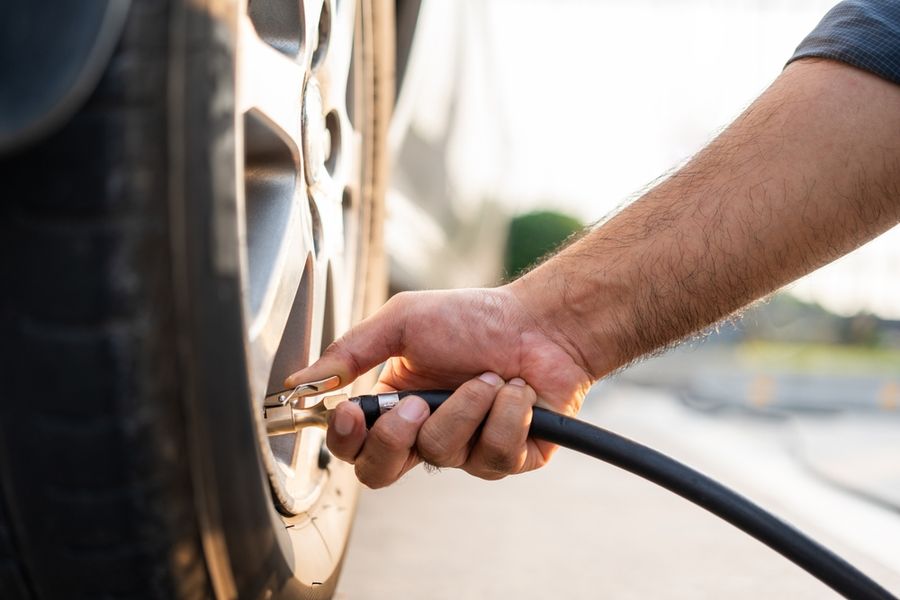
Tires are the only point of contact between a vehicle and the road, making their condition essential for safety and handling. Properly inflated tires help ensure stable steering , effective braking, and even tread wear. Tire pressure can change with temperature fluctuations, so checking inflation regularly is important throughout the year. Vehicle manufacturers list recommended pressure levels on a label inside the driver’s door or in the owner’s manual.
In addition to inflation, tire tread depth plays a major role in traction, especially during wet or slippery conditions. Worn tread increases stopping distances and raises the risk of hydroplaning. Rotating tires at recommended intervals promotes even wear, extends tire life, and helps maintain balanced handling characteristics over time.
Brake System Awareness and Inspection
The braking system is one of the most critical safety features in any vehicle. Brakes rely on components such as pads, rotors, and brake fluid to function properly, all of which wear down gradually with use. Squealing noises, vibrations, or longer stopping distances often signal that attention is needed . Regular inspections help identify wear before it becomes a serious safety concern.
Brake fluid also plays an important role by transferring force from the brake pedal to the braking components. Over time, fluid can absorb moisture, reducing braking efficiency. Keeping an eye on brake performance and addressing warning signs promptly helps maintain stopping power and protects other parts of the system from unnecessary damage.
Battery Health and Electrical Systems
A vehicle’s battery supplies the electrical power needed to start the engine and operate essential systems. Batteries naturally lose charge capacity as they age, and extreme temperatures can accelerate this process. Corrosion on battery terminals or difficulty starting the engine may indicate that the battery requires attention. Periodic inspections can help identify issues before complete failure occurs.
Modern vehicles also rely heavily on electrical systems for features such as lighting, climate control, and safety sensors. Ensuring that connections remain clean and secure supports reliable operation. Replacing a weak battery at the appropriate time can prevent unexpected breakdowns and reduce stress on the alternator and starter components.
Fluid Levels and Cooling System Care
Beyond engine oil, vehicles depend on several other fluids to operate smoothly. Coolant helps regulate engine temperature, transmission fluid supports smooth gear changes, and brake fluid enables effective stopping. Low or contaminated fluids can lead to overheating, poor performance, or mechanical failure. Checking fluid levels periodically helps drivers spot leaks or gradual losses early.
The cooling system deserves special attention because overheating can cause severe engine damage. Coolant levels should remain within the recommended range, and hoses should have no cracks or leaks. Maintaining proper fluid levels across all systems supports efficiency, longevity, and consistent performance during everyday driving.
Building Long-Term Reliability on the Road
Consistent vehicle maintenance supports safety, reliability, and peace of mind for drivers at every experience level. Small efforts completed on a regular basis can prevent larger issues and extend the lifespan of critical components. Paying attention to warning signs and following manufacturer recommendations encourages better performance and fewer surprises. Over time, routine care becomes a practical investment that protects both the vehicle and the people who rely on it daily.