

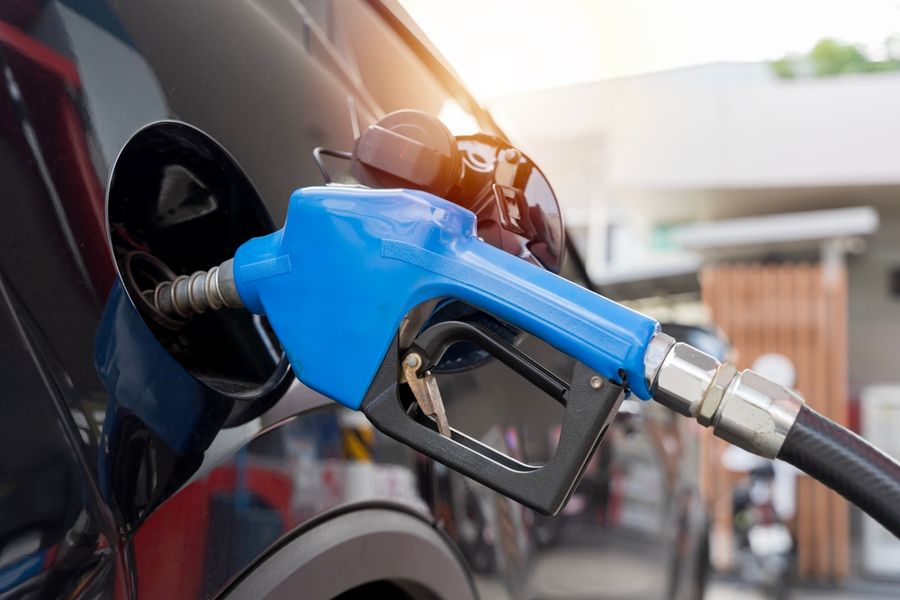
Fuel efficiency plays a major role in the overall cost and environmental impact of vehicle ownership. Gas mileage can vary widely depending on driving habits, vehicle condition, and external conditions on the road. Even small changes in routine or maintenance can influence how far a vehicle travels on a single tank of fuel. Understanding the common factors that affect fuel efficiency allows drivers to make informed choices that support smoother operation, reduced fuel consumption, and more consistent performance over time.
Driving Habits and Acceleration Patterns
Driving behavior has a direct impact on fuel consumption during everyday travel. Rapid acceleration, hard braking, and high-speed driving require more energy from the engine , which increases fuel usage. Smooth acceleration and gradual braking allow the engine to operate more efficiently, reducing unnecessary fuel burn during stop-and-go conditions. Maintaining steady speeds whenever possible supports better mileage and lowers overall fuel demand.
Frequent idling also contributes to wasted fuel, particularly during long waits in traffic or while parked. Modern engines use fuel even when the vehicle remains stationary, and extended idling offers no mileage benefit. Reducing idle time and adopting steady driving patterns can lead to noticeable improvements in fuel efficiency across both city and highway driving.
Vehicle Maintenance and Mechanical Condition
Proper vehicle maintenance plays a significant role in supporting efficient fuel use. Engines that receive regular oil changes and inspections operate more smoothly and experience less internal resistance. Worn spark plugs, dirty air filters, or aging components can reduce combustion efficiency, forcing the engine to work harder to produce the same level of power.
Tire condition also affects fuel economy. Underinflated tires increase rolling resistance, which requires additional energy to keep the vehicle moving. Regular maintenance checks help ensure that all mechanical systems function as intended. Keeping a vehicle in good working order not only improves mileage but also supports long-term reliability and reduced repair costs.
Tire Pressure and Wheel Alignment
Tire pressure has a measurable effect on gas mileage due to its influence on rolling resistance. Tires inflated below recommended levels create more friction against the road surface, increasing fuel consumption. Temperature fluctuations and gradual air loss can alter pressure levels over time, making routine checks an important part of fuel-conscious driving habits.
Wheel alignment also contributes to efficiency by ensuring that tires maintain proper contact with the road. Misaligned wheels can cause uneven wear and increased drag, which places additional strain on the engine. Maintaining correct alignment and tire pressure helps support smoother motion, improved handling, and more consistent fuel performance during daily travel.
Vehicle Weight and Cargo Load
The amount of weight a vehicle carries directly affects fuel efficiency. Heavier loads require more energy for acceleration and uphill travel, increasing fuel consumption. Carrying unnecessary cargo in the trunk or storage areas adds strain to the engine , particularly during frequent stops or long trips. Removing unused items can result in measurable mileage improvements over time.
Roof racks and external carriers also influence fuel efficiency by increasing aerodynamic drag. Air resistance becomes more significant at higher speeds, forcing the engine to use additional fuel to maintain momentum. Limiting cargo weight and removing unused accessories helps reduce resistance and supports more efficient operation on highways and open roads.
Road Conditions and Environmental Factors
External conditions play an important role in determining fuel economy. Stop-and-go traffic, frequent stops, and rough road surfaces require more energy than steady highway driving. Urban driving often results in lower mileage due to repeated acceleration and braking cycles. Smooth road conditions and consistent speeds support better fuel efficiency during longer trips.
Weather conditions can also influence fuel usage. Cold temperatures may reduce engine efficiency during warm-up periods, while strong winds increase resistance during travel. Hilly terrain requires additional power for climbs, which increases fuel consumption. Recognizing how environmental factors affect mileage helps drivers set realistic expectations for fuel performance.
Building Smarter Fuel-Conscious Habits
Fuel efficiency reflects a combination of driving behavior, vehicle condition, and surrounding conditions on the road. Small adjustments made consistently can lead to meaningful improvements in gas mileage over time. Paying attention to maintenance needs, cargo weight, and driving patterns supports more efficient fuel use and reduced operating costs.
Developing fuel-conscious habits benefits both vehicle longevity and everyday driving comfort. Consistent attention to efficiency can also reduce environmental impact by lowering fuel consumption. Over time, mindful driving choices contribute to a more predictable and cost-effective ownership experience.