

Electric vehicles operate using a fundamentally different system than traditional gasoline-powered cars. Instead of relying on internal combustion, electric models use stored electrical energy to power movement. Interest in electric vehicles continues to grow due to efficiency, quiet operation, and reduced emissions. Understanding the core components that make electric vehicles function helps drivers gain clarity about performance, maintenance, and everyday usability.
Electric Motors and Power Delivery
Electric vehicles rely on electric motors to convert electrical energy into mechanical motion. When energy flows from the battery to the motor, magnetic fields are created that cause the motor to spin. This rotation drives the wheels and moves the vehicle forward. Electric motors deliver power smoothly and consistently, providing immediate acceleration without gear shifting delays.
Unlike internal combustion engines, electric motors produce torque instantly. This characteristic results in quick response at low speeds and smooth performance during city driving. Many electric vehicles use a single-speed transmission, reducing mechanical complexity. Fewer moving parts contribute to quieter operation and reduced wear over time.
Battery Packs and Energy Storage
Battery packs store the electrical energy that powers electric vehicles . Most modern electric vehicles use lithium-ion battery technology due to high energy density and durability. Battery packs are typically mounted beneath the vehicle floor, which lowers the center of gravity and improves handling stability. Capacity is measured in kilowatt-hours, which influences driving range.
Battery performance can vary based on temperature, driving conditions, and usage patterns. Cold weather may reduce available range , while efficient driving can extend it. Battery management systems monitor temperature, charge levels, and overall health. Proper management supports longevity and consistent performance across years of ownership.
Charging Systems and Power Sources
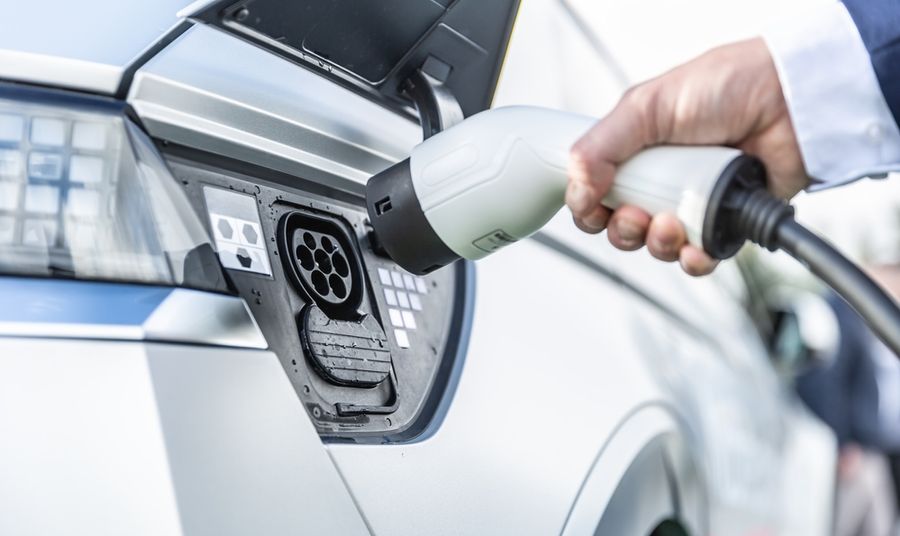
Charging systems replenish energy stored in the battery pack. Electric vehicles can be charged using household outlets, dedicated home charging equipment, or public charging stations. Charging speed depends on power output and vehicle compatibility . Higher-powered charging equipment delivers energy more quickly, reducing downtime between trips.
Charging connectors and standards may vary by region and vehicle manufacturer. Public charging stations are commonly found in parking areas, commercial locations, and along major travel routes. Planning charging routines helps drivers maintain adequate range for daily travel. Reliable charging access supports convenience and confidence during regular vehicle use.
Regenerative Braking and Energy Efficiency
Electric vehicles use regenerative braking to recover energy during deceleration. When slowing down, the electric motor operates in reverse, converting motion back into electrical energy. That energy is then stored in the battery rather than being lost as heat. Regenerative braking improves overall efficiency and extends driving range.
This system also reduces wear on traditional braking components. Since regenerative braking handles much of the slowing process, brake pads and rotors experience less frequent use. Adjustable regenerative settings allow drivers to influence how strongly the system slows the vehicle. Efficient energy recovery contributes to smoother driving and reduced maintenance needs.
Maintenance Differences and Long-Term Care
Electric vehicles require different maintenance considerations compared to gasoline-powered models. Without oil changes, exhaust systems, or complex transmissions, routine service needs are often reduced. Electric motors and battery systems experience less mechanical friction, which can support longer service intervals. Cooling systems still require attention to maintain proper temperature regulation.
Battery care remains an important focus for long-term ownership. Software updates help optimize performance and energy management. Monitoring charging habits and avoiding prolonged extreme charge levels can support battery health. Simplified mechanical systems combined with proper care contribute to reliable operation over time.
Range Considerations and Daily Driving Use
Driving range represents one of the most important practical considerations for electric vehicle ownership. Range refers to the distance an electric vehicle can travel on a full battery charge and varies based on battery size, driving speed, terrain, and weather conditions. City driving often supports better range due to regenerative braking and lower speeds, while highway travel may reduce efficiency. Understanding typical daily driving distances helps drivers determine whether available range aligns with routine transportation needs and long-term expectations.
Understanding the Electric Driving Experience
Electric vehicles combine advanced technology with practical everyday operation. Smooth acceleration, quiet performance, and efficient energy use define the driving experience. Familiarity with motors, batteries, and charging systems helps drivers feel comfortable transitioning to electric mobility. A clear understanding of electric vehicle fundamentals supports confident ownership and informed transportation choices.
Over time, familiarity with charging routines and energy management can make daily driving feel intuitive and predictable. As electric vehicle infrastructure continues to expand, drivers benefit from greater convenience and flexibility during regular travel. Understanding core systems also helps owners better anticipate maintenance needs and long-term performance expectations.