

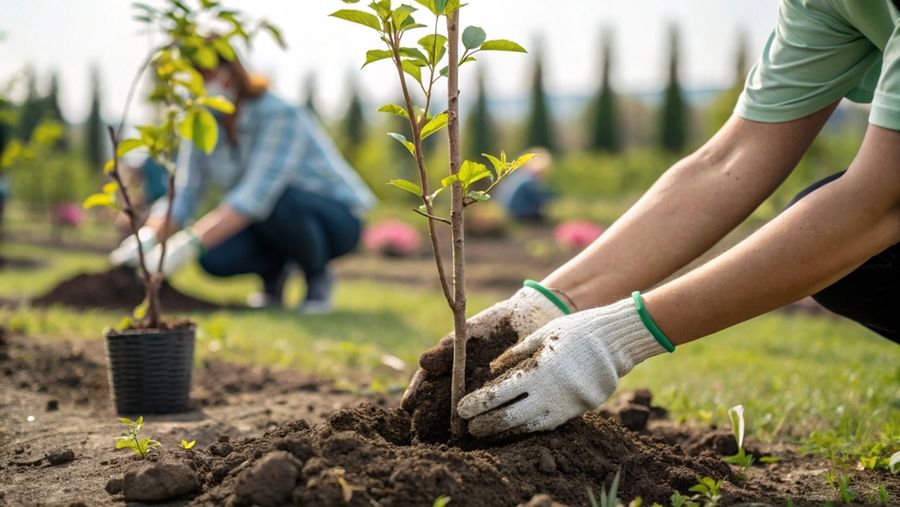
Plant success depends on more than appearance or preference. Climate conditions, available space, and environmental factors all influence how well plants grow and thrive over time. Selecting plants suited to their surroundings helps reduce maintenance challenges and supports healthier growth. Understanding how climate zones and space limitations affect plant performance allows gardeners to create environments where plants remain resilient, productive, and visually appealing across seasonal changes.
Understanding Climate Zones and Weather Patterns
Climate zones classify regions based on average temperatures, seasonal extremes, and growing conditions. Such zones help determine which plants can survive year-round outdoors. Cold tolerance, heat resistance, and seasonal growth cycles vary widely among plant species. Matching plants to local climate conditions improves survival rates and reduces stress caused by temperature fluctuations.
Weather patterns also influence plant performance. Rainfall levels, humidity, wind exposure, and sunlight intensity affect water needs and growth habits. Regions with long dry periods require drought-tolerant plants, while humid areas favor moisture-resistant varieties. Awareness of local climate conditions supports better plant selection and long-term garden success.
Evaluating Available Space and Growth Habits
Space limitations play a major role in plant selection. Mature plant size determines spacing requirements and overall layout. Crowded plants compete for light, nutrients, and airflow, which can weaken growth and increase disease risk. Understanding mature height and spread helps prevent overcrowding and future maintenance issues.
Growth habits also affect suitability for specific spaces. Upright plants suit narrow areas, while spreading varieties need open ground. Vining plants may require support structures, while compact plants perform well in containers. Selecting plants based on growth behavior supports balanced design and healthier development.
Sunlight Exposure and Shade Considerations
Sunlight availability influences photosynthesis and plant energy production. Full-sun plants require extended daily exposure, while shade-tolerant plants thrive with limited light. Observing how sunlight moves across a space helps determine appropriate plant placement . Seasonal changes may alter exposure patterns throughout the year.
Insufficient sunlight may cause weak growth, reduced flowering, or pale foliage. Excessive sunlight can scorch leaves or dry soil too quickly. Matching plants to available light conditions supports strong growth and reduces stress. Understanding sunlight patterns helps gardeners optimize plant placement and overall garden health.
Soil Conditions and Drainage Factors
Soil quality directly affects plant health and nutrient availability. Soil texture influences water retention, drainage, and root development. Sandy soil drains quickly, while clay soil retains moisture longer. Loamy soil offers balanced conditions suitable for many plant types.
Drainage remains equally important. Poor drainage leads to waterlogged roots and reduced oxygen availability. Raised beds, soil amendments, and proper grading improve drainage conditions . Selecting plants adapted to existing soil conditions reduces the need for extensive modifications and supports healthier root systems.
Water Availability and Maintenance Needs
Water availability influences plant selection and maintenance routines. Some plants require frequent watering, while others tolerate dry conditions. Selecting plants aligned with local rainfall patterns and irrigation capacity reduces stress on plants and gardeners alike. Drought-tolerant varieties often perform well in areas with limited water resources.
Maintenance requirements also vary widely. Pruning, fertilizing, and pest management demands differ by species. Low-maintenance plants suit busy schedules or limited gardening experience. Understanding care requirements helps gardeners create sustainable plantings that remain manageable over time.
Indoor Versus Outdoor Plant Selection
Indoor and outdoor environments present different challenges for plant growth. Indoor plants rely on controlled lighting, temperature stability, and humidity management. Space limitations and container size influence root development and water retention. Selecting plants adapted to indoor conditions supports long-term health and appearance.
Outdoor plants face exposure to weather extremes, pests, and seasonal changes. Hardiness and resilience become key factors for outdoor success. Choosing plants suited to their intended environment reduces transplant shock and ongoing maintenance challenges. Proper placement supports consistent growth across seasons.
Native Plants and Regional Adaptation
Native plants evolved to thrive in local climate and soil conditions. Such plants often require less water, fertilizer, and pest control than non-native species. Regional adaptation supports stronger resistance to local weather patterns and pests. Native plants also support local ecosystems and wildlife.
Using native species helps create sustainable landscapes that perform well with minimal intervention. Deep root systems improve soil stability and water absorption. Native plant selection promotes long-term success while supporting environmental balance. Regional knowledge enhances plant resilience and overall garden performance.
Creating a Balanced and Sustainable Planting Plan
Choosing the right plants involves balancing climate compatibility, space limitations, and care requirements. Thoughtful selection supports healthier growth and reduces long-term maintenance challenges. Plants suited to their environment adapt more easily and remain resilient through seasonal changes. A well-planned planting strategy promotes lasting beauty, functionality, and sustainable garden success across indoor and outdoor spaces.