

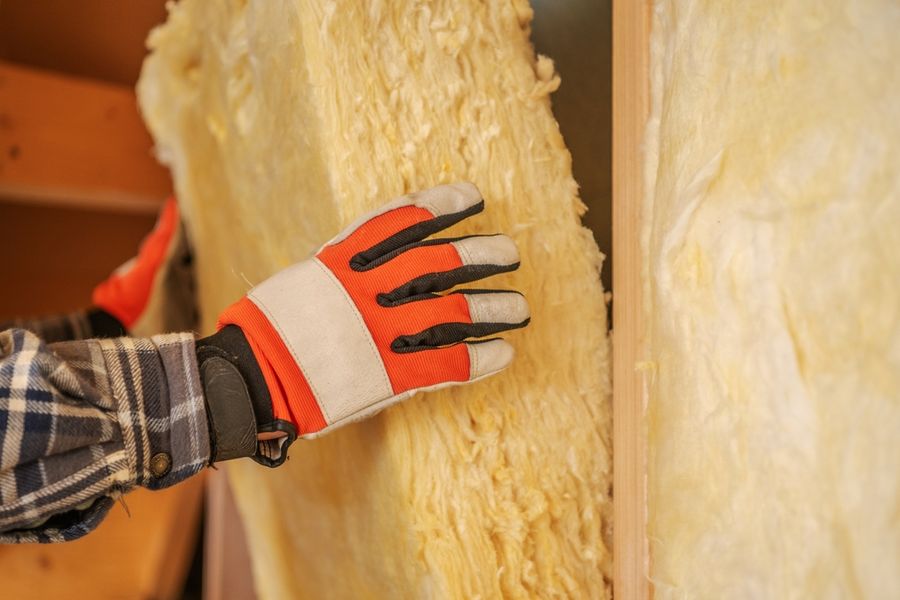
Home insulation plays a central role in maintaining comfort, efficiency, and structural protection. Insulation helps regulate indoor temperatures by slowing heat movement between interior and exterior spaces. Proper insulation reduces strain on heating and cooling systems while supporting more stable indoor conditions year-round. Understanding how insulation functions and why it matters allows homeowners to make informed decisions that protect energy efficiency, reduce operating costs, and improve overall living comfort across changing seasons.
The Basic Function of Home Insulation
Insulation works by resisting the transfer of heat through walls, ceilings, floors, and other structural elements. Heat naturally moves from warmer areas to cooler areas, and insulation slows that process. During colder months, insulation helps retain warmth indoors, while warmer months benefit from reduced heat entering the home. This balance supports consistent indoor temperatures.
Materials used for insulation trap pockets of air that resist heat flow . Fiberglass, foam, and cellulose each use air spaces to limit thermal movement. Proper placement ensures coverage without gaps or compression. Effective insulation supports indoor comfort while reducing the workload placed on heating and cooling equipment.
Common Types of Insulation Materials
Several insulation materials are commonly used in residential construction. Fiberglass insulation appears in batts or loose-fill form and offers affordability and wide availability. Cellulose insulation, made from treated paper products, provides dense coverage and sound dampening benefits. Spray foam insulation expands to fill gaps and seals air leaks effectively.
Each material offers different performance characteristics. R-value measures resistance to heat flow, with higher values providing stronger insulating ability . Material choice often depends on location within the home, budget, and performance goals. Selecting appropriate insulation materials supports energy efficiency and long-term durability.
Where Insulation Is Installed in a Home
Insulation is installed in key areas where heat transfer occurs most frequently. Attics often receive the highest insulation levels due to heat rising upward . Walls contain insulation that limits heat movement between indoor and outdoor environments. Floors above unconditioned spaces also benefit from proper insulation.
Basements and crawl spaces require insulation to reduce moisture influence and temperature fluctuation. Ductwork may also receive insulation to maintain air temperature as it moves through the home. Strategic placement ensures consistent comfort and prevents energy loss. Proper coverage supports balanced indoor conditions throughout living spaces.
Insulation and Energy Efficiency
Energy efficiency improves when insulation reduces heat loss and gain. Well-insulated homes require less energy to maintain comfortable temperatures. Heating and cooling systems operate more efficiently, which lowers energy consumption and reduces wear on equipment. Reduced energy demand supports stable utility costs over time.
Insulation also limits drafts and cold spots that affect comfort. Consistent indoor temperatures reduce the need for frequent thermostat adjustments. Improved efficiency benefits both household budgets and environmental goals. Proper insulation contributes to long-term performance while supporting reliable climate control throughout the home.
Moisture Control and Insulation Performance
Moisture management plays an important role in insulation effectiveness. Excess moisture can reduce insulating ability and contribute to material deterioration. Vapor barriers and proper ventilation help control moisture movement within walls and ceilings. Dry insulation maintains performance and structural protection.
Poor moisture control may lead to mold growth and reduced air quality. Insulation installed correctly helps limit condensation and supports healthier indoor environments. Regular inspections identify moisture-related concerns early. Maintaining dry conditions preserves insulation performance and protects surrounding building materials.
Signs of Insulation Issues
Certain signs may indicate insulation problems within a home. Uneven temperatures between rooms, high energy bills, or drafts suggest reduced insulation performance. Ice buildup on roofs or condensation on interior surfaces may signal heat loss. Such symptoms warrant inspection. Persistent temperature fluctuations can also place added strain on heating and cooling systems.
Aging insulation may settle, compress, or degrade over time. Gaps or thinning reduce effectiveness and allow heat transfer. Addressing insulation concerns helps restore efficiency and comfort. Awareness of performance indicators supports proactive maintenance and long-term home protection. Regular inspections help identify hidden problem areas before damage worsens.
Supporting Comfort Through Proper Insulation
Home insulation influences comfort, efficiency, and structural health. Effective insulation supports stable temperatures while reducing energy demand. Material choice, placement, and moisture control all affect performance. Thoughtful insulation decisions contribute to a more comfortable living environment and reliable long-term home operation. Improved insulation also helps reduce noise transfer between living spaces. Over time, consistent performance supports lower energy use and improved indoor comfort across changing seasons.