

Water plays a vital role in plant health, growth, and long-term resilience. Too much or too little moisture can stress plants and interfere with nutrient absorption. Many common watering problems stem from routine habits rather than environmental conditions. Improper watering often affects root development, leaf strength, and overall plant stability over time. Balanced watering supports consistent growth, improved nutrient uptake, and healthier plants across gardens, containers, and indoor living spaces throughout changing seasons and environments.
What Indoor Air Quality Means
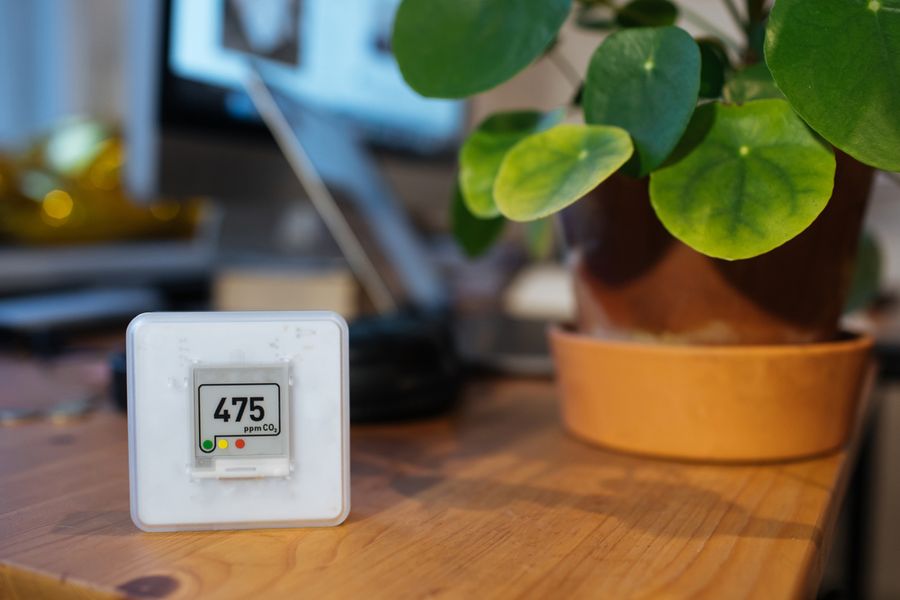
Indoor air quality refers to the condition of air within enclosed living spaces. It is influenced by the presence of pollutants, humidity levels, airflow, and temperature. Pollutants may include dust, pet dander, smoke, cleaning products , and gases released from building materials or furnishings. Poor air quality can cause irritation, discomfort, or health concerns over time.
Good indoor air quality supports easier breathing and overall comfort. Balanced airflow helps dilute pollutants and regulate moisture levels. Clean air supports daily activities and contributes to a more pleasant home environment. Awareness of air quality factors helps homeowners identify areas that need improvement.
Common Sources of Indoor Air Pollutants
Many indoor air pollutants originate from everyday household activities. Cooking, cleaning, and heating can release particles or gases into the air. Gas appliances may emit combustion byproducts, while household cleaners can release chemical vapors. Building materials and furnishings may also release gases as they age.
Dust, pollen, and mold spores often enter through doors, windows, and ventilation systems. Pets contribute dander and hair that circulate through living spaces. Moisture buildup supports mold growth, which further degrades air quality. Identifying common pollutant sources helps homeowners manage exposure and reduce buildup indoors.
The Role of Ventilation and Airflow
Ventilation plays a central role in maintaining healthy indoor air. Proper airflow allows fresh outdoor air to replace stale indoor air, reducing pollutant concentration. Natural ventilation occurs through windows and doors, while mechanical systems use fans and ductwork. Balanced airflow helps regulate temperature and moisture levels throughout the home.
Poor ventilation can trap pollutants and humidity indoors. Kitchens, bathrooms, and laundry areas often require additional ventilation to manage moisture and odors. Exhaust fans and air exchange systems support better circulation . Consistent airflow helps maintain comfort and supports cleaner air across living spaces.
Humidity Levels and Moisture Control
Humidity levels influence indoor air quality and overall comfort. Excess moisture can promote mold growth, dust mites, and musty odors. Low humidity may cause dry skin, irritation, and static buildup. Maintaining balanced moisture levels supports both comfort and air quality.
Moisture often enters the home through daily activities such as bathing, cooking, and washing clothes. Leaks and poor drainage may also contribute. Dehumidifiers, ventilation fans, and proper insulation help manage indoor moisture . Monitoring humidity supports a healthier and more comfortable home environment.
Heating, Cooling, and Filtration Systems
Heating and cooling systems directly affect indoor air quality by circulating air throughout the home. Air filters capture dust, allergens, and particles before air moves through living spaces. Dirty or clogged filters reduce effectiveness and allow pollutants to recirculate. Regular filter replacement supports cleaner airflow and system performance.
Ductwork condition also matters. Dust, debris, and moisture buildup inside ducts can affect air quality. Sealed and well-maintained systems support consistent airflow and reduce contamination. Heating and cooling equipment that functions properly helps maintain stable indoor conditions year-round.
Household Habits That Influence Air Quality
Daily habits influence indoor air conditions more than many homeowners realize. Smoking indoors introduces harmful particles that linger in the air and settle on surfaces. Burning candles or using fireplaces may release smoke and soot into living areas. Cooking without ventilation can increase airborne particles and odors.
Cleaning routines also affect air quality. Vacuuming with proper filtration helps reduce dust, while excessive use of chemical products may add airborne irritants. Choosing appropriate cleaning methods supports cleaner indoor air. Thoughtful habits contribute to a healthier home environment over time.
Improving Indoor Air Through Home Design
Home design features influence airflow, lighting, and air circulation. Open layouts often support better air movement between rooms. Proper placement of vents and returns helps distribute air evenly. Materials selected for flooring, cabinetry, and furnishings can also affect air quality.
Windows support natural ventilation when opened under suitable conditions. Insulation and sealing help regulate temperature while preventing unwanted moisture intrusion. Thoughtful design choices support long-term indoor air quality and comfort. A well-planned home environment encourages healthier air circulation.
Supporting Healthier Air Inside the Home
Indoor air quality reflects a combination of ventilation, moisture control, system maintenance, and daily habits. Small adjustments can lead to noticeable improvements in comfort and breathing conditions. Regular attention to airflow, filtration, and cleanliness supports a healthier living space. A home that supports clean indoor air contributes to long-term comfort, safety, and overall well-being.