

Homes experience ongoing wear from weather, temperature changes, and daily use throughout the year. Seasonal care helps address specific challenges as conditions shift, reducing the risk of damage and unexpected repairs. Breaking maintenance tasks into seasonal routines makes upkeep more manageable and supports long-term durability. Understanding which tasks align with each season allows homeowners to protect systems, preserve comfort, and maintain consistent performance across the entire year.
Spring Maintenance and Post-Winter Checks
Spring offers an ideal opportunity to assess damage caused by colder months. Roofs, siding, and foundations should be checked for cracks, loose materials, or moisture-related issues. Snow and ice may leave behind subtle damage that becomes more noticeable during warmer weather. Early inspection allows timely repairs before spring rain increases moisture exposure.
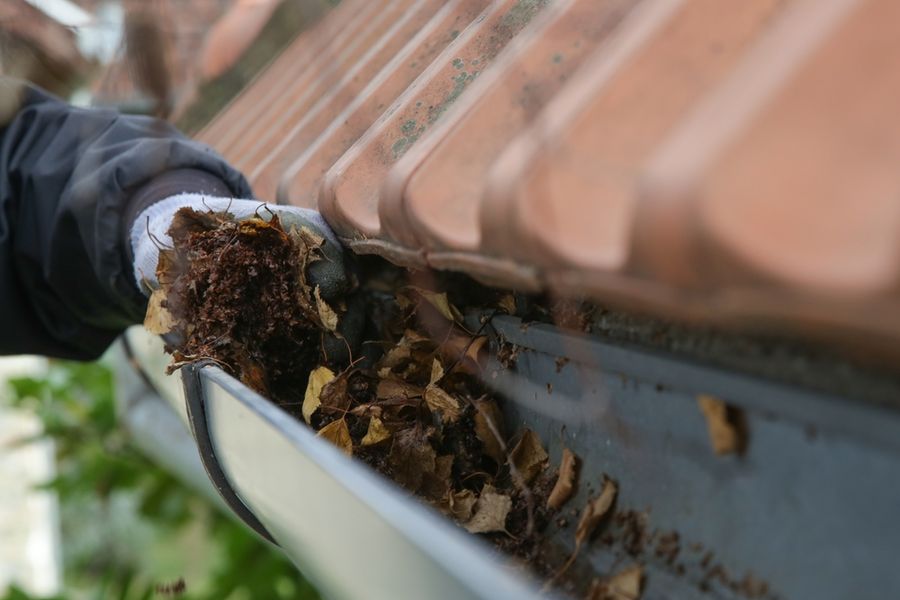
Outdoor drainage systems also deserve attention. Gutters and downspouts should be cleared of debris to support proper water flow . Standing water near foundations may indicate grading or drainage concerns. Spring maintenance supports a smooth transition into warmer months and helps prevent water-related damage.
Preparing Cooling Systems for Warmer Weather
As temperatures rise, cooling systems become more active. Air conditioning units should be inspected and cleaned to support efficient operation. Filters require replacement to maintain airflow and indoor comfort. Outdoor units benefit from debris removal to prevent airflow restriction.
Thermostats and vents should be checked to ensure proper temperature regulation. Uneven cooling may signal duct or insulation issues. Addressing cooling system performance early helps avoid breakdowns during peak summer demand. Prepared systems support comfort and energy efficiency during warmer periods.
Summer Exterior Care and Weather Protection
Summer weather places stress on exterior surfaces through heat, sunlight, and storms. Paint, sealants, and exterior finishes should be inspected for peeling or cracking. Sun exposure can accelerate wear on siding and trim. Timely maintenance helps protect materials from further deterioration.
Landscaping also requires attention during summer months. Overgrown plants may interfere with siding, roofing, or drainage paths. Trees and shrubs should be trimmed to prevent storm-related damage . Exterior care during summer supports both appearance and structural protection.
Fall Preparation for Colder Conditions
Fall serves as a critical preparation period for colder weather ahead. Heating systems should be inspected to ensure reliable performance. Filters and vents require cleaning to support efficient airflow. Early system checks reduce the risk of failures during cold periods.
Exterior areas benefit from leaf removal and drainage maintenance. Leaves can clog gutters and block water flow, increasing moisture risk. Sealing gaps around windows and doors helps reduce heat loss. Fall preparation supports energy efficiency and indoor comfort during colder months.
Winter Protection and Indoor Monitoring
Winter conditions require focused attention on indoor systems and protection from freezing temperatures. Pipes in vulnerable areas should be insulated to reduce freezing risk . Interior humidity levels require monitoring to prevent condensation and dryness. Balanced humidity supports comfort and protects building materials.
Roof and attic areas should be monitored for ice buildup or moisture intrusion. Snow accumulation may increase structural stress if not addressed. Indoor monitoring helps detect issues early when outdoor repairs become more challenging. Winter vigilance supports safety and system reliability.
Seasonal Attention to Plumbing Systems
Plumbing systems require care throughout the year due to temperature changes and daily use. Spring and summer inspections help identify leaks or corrosion that may worsen over time. Outdoor hoses and irrigation systems should be disconnected or drained before cold weather arrives.
Water heaters benefit from periodic checks regardless of season. Sediment buildup may reduce efficiency and lifespan. Monitoring plumbing components supports consistent water supply and prevents unexpected damage. Seasonal awareness helps protect one of the home’s most essential systems.
Electrical and Safety System Maintenance
Electrical systems and safety devices require regular seasonal checks. Smoke detectors and carbon monoxide alarms should be tested and maintained year-round. Battery replacement ensures reliable operation. Seasonal testing supports household safety.
Outdoor lighting and electrical outlets should be inspected for weather damage. Extension cords and temporary wiring used during holidays require careful removal and inspection. Electrical maintenance supports safe operation and reduces fire risk throughout changing seasons.
Creating a Year-Round Maintenance Schedule
Seasonal home care succeeds through organization and consistency. Dividing tasks by season simplifies maintenance and reduces oversight. Written schedules help track completed tasks and upcoming needs. Regular routines support early problem detection.
A year-round approach spreads effort evenly rather than concentrating tasks during emergencies. Proactive care protects systems, reduces repair costs, and supports comfort. Consistent seasonal maintenance keeps homes in good condition and supports long-term value across changing weather conditions.