

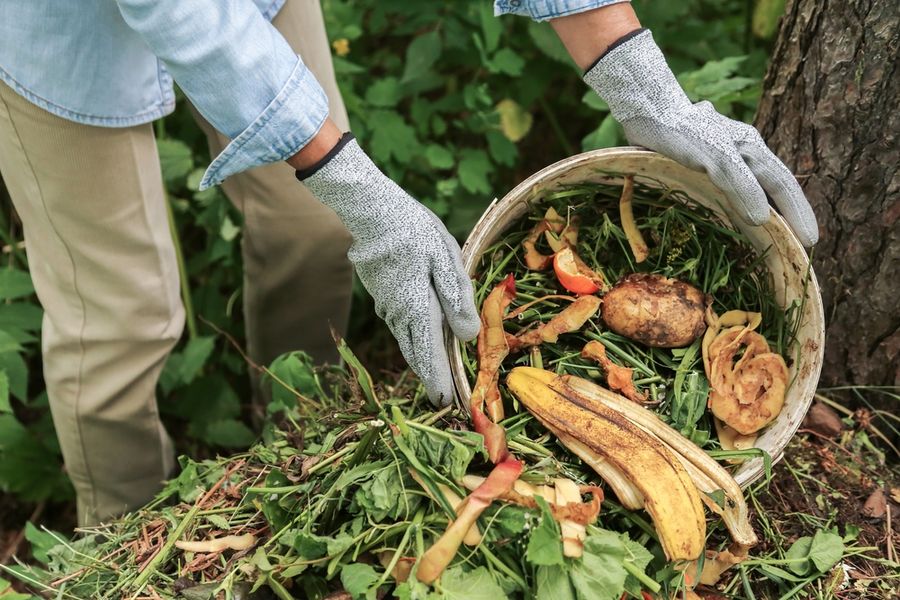
Composting offers a practical way to recycle organic waste while supporting healthier soil and plant growth. Food scraps and yard materials can break down naturally into nutrient-rich compost when managed properly. Composting reduces household waste sent to landfills and supports sustainable gardening practices. Understanding how composting works allows households to create valuable soil amendments that improve plant health, soil structure, and long-term garden productivity.
What Composting Is and How It Works
Composting is a natural process that breaks down organic materials into a dark, crumbly substance known as compost. Microorganisms such as bacteria and fungi consume organic matter, converting it into nutrients plants can use. Oxygen, moisture, and time support this biological process. Proper balance allows materials to decompose efficiently without unpleasant odors.
Compost piles generate heat as microorganisms work, which helps accelerate decomposition. Larger piles tend to retain heat better, promoting faster breakdown. Smaller compost systems may decompose more slowly but still produce valuable compost. Understanding the decomposition process helps maintain effective composting conditions.
Materials Suitable for Composting
Compost materials generally fall into two categories: nitrogen-rich materials and carbon-rich materials. Nitrogen-rich items include fruit scraps, vegetable peelings, coffee grounds, and fresh grass clippings. Carbon-rich materials include dry leaves, straw, cardboard, and paper products. Balanced ratios support efficient breakdown.
Certain materials should be avoided in compost systems. Meat, dairy, and oily foods may attract pests and produce odors. Diseased plants or invasive weeds may survive the composting process. Selecting appropriate materials helps maintain healthy decomposition and reduces maintenance challenges.
Compost Bins and Pile Options
Composting can be done using various container and pile designs. Open piles offer simplicity and work well in larger outdoor spaces. Enclosed bins help contain materials and retain heat, making them suitable for smaller yards. Tumbler systems allow easy turning and faster decomposition.
Location influences composting success. Compost areas should allow airflow and drainage while remaining accessible for regular maintenance. Shaded locations help prevent excessive drying . Choosing a compost system that matches available space and routine habits supports consistent compost production.
Managing Moisture and Airflow
Moisture and airflow play essential roles in compost health. Compost materials should remain damp but not saturated. Excess moisture may cause odors and slow decomposition. Dry compost piles may stall microbial activity and slow progress.
Turning compost introduces oxygen and helps distribute moisture evenly. Aeration supports microbial growth and prevents compaction. Regular mixing speeds decomposition and maintains balanced conditions. Monitoring moisture and airflow ensures efficient breakdown and healthier compost output.
Temperature and Decomposition Progress
Compost temperature reflects microbial activity within the pile. Active compost piles often feel warm due to biological heat generation. High temperatures support faster decomposition and help reduce harmful organisms. Temperature may fluctuate based on pile size, materials, and weather conditions.
As decomposition progresses, temperatures gradually decline. Finished compost appears dark, crumbly, and earthy in smell. Recognizing temperature changes helps determine when compost is ready for use. Patience remains an important part of the composting process.
Using Finished Compost in the Garden
Finished compost improves soil structure and nutrient availability. Mixing compost into garden beds supports better water retention and root development. Compost enhances soil texture and promotes beneficial microbial activity. Healthier soil supports stronger plant growth.
Compost may also be used as mulch or added to potting mixes. Regular application supports long-term soil improvement. Using compost reduces reliance on synthetic fertilizers. Incorporating finished compost helps close the loop between household waste and garden productivity.
Common Composting Challenges and Solutions
Some composting challenges arise during routine maintenance. Odors often indicate excess moisture or poor airflow. Adjusting material balance and turning the pile helps restore healthy conditions. Pests may appear when unsuitable materials are added.
Slow decomposition may result from insufficient nitrogen, moisture, or oxygen. Adding fresh green materials or mixing the pile can restart activity. Regular observation helps identify and address issues early. Understanding common challenges supports successful composting outcomes.
Environmental Benefits of Composting
Composting reduces organic waste sent to landfills , where decomposition produces methane emissions. Diverting waste supports environmental sustainability and reduces landfill burden. Composting also returns nutrients to the soil, supporting natural cycles.
Healthier soils store more carbon and improve water absorption. Composting supports sustainable gardening and environmental stewardship. Small household efforts contribute to broader ecological benefits. Composting offers a meaningful way to reduce waste while supporting plant health.
Building a Sustainable Composting Routine
Composting succeeds through consistent care and balanced inputs. Thoughtful material selection, moisture management, and airflow support effective decomposition. Over time, composting becomes a reliable way to enrich soil and reduce waste. A sustainable composting routine supports healthier gardens, responsible waste management, and long-term environmental benefits.