

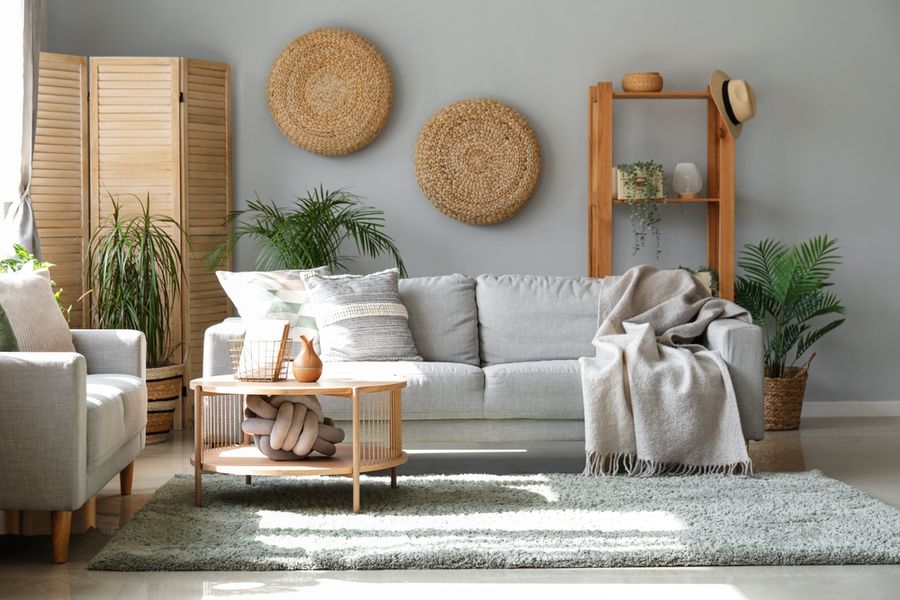
Natural light plays an important role in how a home feels, functions, and supports daily living. Sunlight influences comfort, visibility, and the overall atmosphere of interior spaces. The way light enters a home can affect energy use, mood, and visual appeal throughout the day. Understanding how natural light interacts with layout, materials, and orientation allows homeowners to make thoughtful design choices that enhance comfort and long-term livability.
How Natural Light Enters a Home
Natural light enters a home through windows, doors, skylights, and other openings. The size, placement, and orientation of openings influence how much sunlight reaches interior spaces. South-facing openings typically receive more consistent sunlight, while north-facing openings provide softer, indirect light. East- and west-facing openings introduce morning or afternoon light depending on orientation.
Obstructions such as neighboring buildings, trees, or roof overhangs can limit sunlight exposure. Interior layout also affects how light travels from one space to another. Open floor plans allow light to spread more evenly, while enclosed rooms may restrict movement. Understanding light entry points helps maximize available daylight.
The Relationship Between Light and Room Function
Different rooms benefit from varying levels of natural light. Living areas often benefit from abundant daylight to support comfort and visual openness. Kitchens rely on natural light to improve visibility and reduce reliance on artificial lighting during daytime hours. Bedrooms often benefit from softer light that supports rest and relaxation.
Workspaces and reading areas require balanced lighting to reduce eye strain. Excessive glare may cause discomfort, while insufficient light limits functionality. Matching light levels to room function supports usability and comfort. Thoughtful planning ensures each space receives appropriate illumination.
Window Placement and Design Considerations
Window placement plays a central role in controlling natural light. High windows allow light to penetrate deeper into rooms, while larger openings increase overall brightness. Window height, width, and placement influence light distribution across interior surfaces. Proper placement reduces harsh shadows and uneven lighting.
Window design also affects heat gain and privacy. Glazing type, window coverings, and framing materials influence light quality and thermal performance. Adjustable coverings allow control over brightness throughout the day. Well-designed windows balance light access with comfort and efficiency.
Natural Light and Energy Efficiency
Natural light supports energy efficiency by reducing reliance on artificial lighting. Daylight helps illuminate spaces during peak usage hours, lowering electricity demand. Sunlight may also contribute to passive heating during cooler months when properly managed. Strategic design helps balance light access and temperature control.
Excessive sunlight may increase indoor temperatures during warmer periods. Shading devices, window treatments, and insulation help manage heat gain. Energy-efficient design considers seasonal changes in sun angle and intensity. Proper management supports comfort while maintaining efficiency.
Interior Materials and Light Reflection
Interior finishes influence how natural light behaves within a space. Light-colored walls, ceilings, and floors reflect sunlight more effectively, spreading brightness throughout a room . Darker surfaces absorb light, creating a more subdued atmosphere. Material selection affects both visual comfort and perceived space.
Glossy finishes reflect light differently than matte surfaces. Mirrors and reflective accents help redirect light into darker areas. Thoughtful material choices enhance natural light distribution without additional openings. Interior design plays a key role in maximizing available daylight.
Seasonal Changes and Sun Movement
Sun position changes throughout the year, affecting light patterns inside the home. Higher sun angles during summer introduce stronger light, while lower winter angles allow sunlight to penetrate deeper into rooms. Seasonal variation influences brightness, warmth, and shadow placement.
Understanding sun movement helps homeowners anticipate changes in light exposure. Window orientation and shading strategies may perform differently across seasons. Adjustments to window coverings help maintain comfort year-round. Awareness of seasonal patterns supports better light management.
Natural Light and Indoor Comfort
Natural light contributes to overall comfort beyond visibility. Exposure to daylight supports daily rhythms and creates a sense of connection to outdoor environments. Bright spaces often feel more open and inviting. Balanced light levels support relaxation and productivity.
Excessive glare or uneven lighting may reduce comfort. Light diffusion and shading help maintain balance. Thoughtful design supports consistent illumination without harsh contrast. Comfortable lighting conditions enhance daily living experiences.
Balancing Privacy and Light Access
Light access must often be balanced with privacy needs. Windows facing streets or neighboring properties may require coverings or placement adjustments. Frosted glass, textured glazing, or strategic landscaping support privacy without eliminating light.
Interior layouts can also protect privacy by positioning openings away from direct sightlines. Layered window treatments offer flexibility throughout the day. Balanced solutions allow light to enter while maintaining personal comfort. Thoughtful planning supports both openness and privacy.
Designing With Natural Light in Mind
Natural light influences comfort, efficiency, and visual appeal throughout the home. Window placement, material choices, and layout all affect how sunlight interacts with interior spaces. Understanding light behavior allows homeowners to create brighter, more comfortable living environments. Design decisions that consider natural light support long-term comfort, energy efficiency, and everyday enjoyment of interior spaces.