

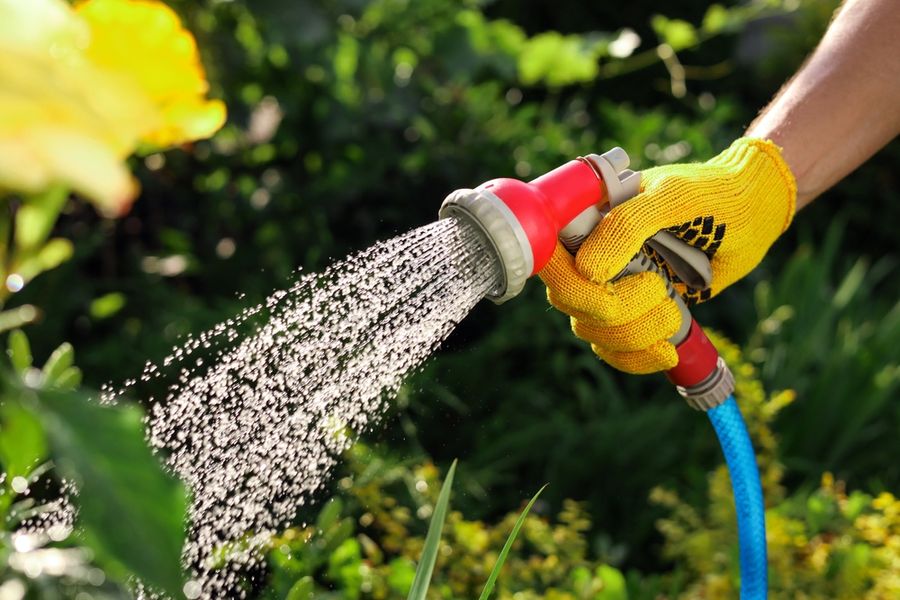
Water plays a vital role in plant health, growth, and long-term resilience. Too much or too little moisture can stress plants and interfere with nutrient absorption. Many common watering problems stem from routine habits rather than environmental conditions. Improper watering often affects root development, leaf strength, and overall plant stability. Balanced watering supports consistent growth, improved nutrient uptake, and healthier plants across gardens, containers, and indoor living spaces throughout changing seasons and environments.
Understanding Plant Water Needs
Every plant has unique water requirements influenced by species, growth stage, and environment. Some plants thrive in consistently moist soil, while others prefer drier conditions between watering cycles. Soil composition also affects how long moisture remains available to roots. Sandy soils drain quickly, while clay-based soils retain water longer.
Plant size and root depth influence watering frequency as well. Shallow-rooted plants often need more frequent watering than deep-rooted varieties. Observing plant behavior, such as leaf drooping or discoloration, offers insight into moisture needs. Matching watering routines to plant-specific requirements supports healthier growth and reduces stress.
Overwatering and Its Effects
Overwatering ranks among the most common plant care mistakes. Excess moisture limits oxygen availability in the soil, which roots need for proper function. Prolonged saturation can lead to root rot, fungal growth, and nutrient imbalance. Symptoms often include yellowing leaves, weak growth, or soggy soil.
Poor drainage often worsens overwatering issues. Containers without drainage holes trap water at the root level, increasing the risk of damage. Garden beds with compacted soil may also retain excess moisture. Allowing soil to dry appropriately between watering sessions supports healthier root systems and improved plant stability.
Underwatering and Drought Stress
Insufficient watering can be equally damaging to plant health. When soil remains dry for extended periods, roots struggle to absorb nutrients and transport moisture to leaves. Plants experiencing drought stress may show wilting, browning leaf edges, or slowed growth. Repeated stress weakens overall plant structure.
Environmental factors influence water loss as well. Heat, wind, and direct sunlight increase evaporation from soil and leaves. Outdoor plants may require additional moisture during warm or dry periods. Monitoring soil moisture rather than following a rigid schedule helps prevent underwatering and supports consistent hydration.
Timing and Frequency of Watering
Watering time affects how efficiently plants absorb moisture. Early morning watering allows moisture to reach roots before heat increases evaporation . Cooler temperatures reduce water loss and support steady absorption. Evening watering may increase moisture retention but can also promote fungal growth in certain environments.
Frequency depends on plant type, soil conditions, and climate. Frequent shallow watering encourages surface root growth, which may reduce drought tolerance. Deeper, less frequent watering promotes stronger root development. Adjusting timing and frequency based on conditions supports healthier plant structure and long-term resilience.
Soil, Drainage, and Water Retention
Soil quality plays a central role in watering success. Healthy soil balances moisture retention and drainage, allowing roots access to both water and oxygen. Organic matter such as compost improves soil structure and water-holding capacity. Improved soil conditions support more efficient watering routines.
Drainage prevents excess water from accumulating around roots. Raised beds, amended soil, and proper grading improve drainage in garden spaces. Indoor containers benefit from well-draining potting mixes. Managing soil and drainage conditions reduces watering mistakes and supports stable plant environments.
Watering Methods and Techniques
Different watering methods affect moisture distribution and plant response. Hand watering allows targeted application and close observation of plant condition. Soaker hoses and drip irrigation deliver water directly to soil, reducing evaporation and runoff. Sprinklers provide broader coverage but may waste water through overspray.
Applying water slowly allows soil to absorb moisture evenly . Rapid watering often leads to runoff and uneven distribution. Consistent technique supports deeper root growth and reduces surface moisture loss. Selecting appropriate watering methods improves efficiency and plant health.
Adjusting Watering Based on Season
Seasonal changes influence plant water needs. During warmer months, increased evaporation and growth demand more frequent watering. Cooler seasons slow growth and reduce moisture requirements. Outdoor plants often require less water during fall and winter.
Indoor plants may experience changes due to heating systems and reduced humidity. Dry indoor air increases moisture loss from leaves. Adjusting watering routines seasonally helps maintain balance. Awareness of seasonal influences supports healthier plants year-round.
Supporting Healthy Growth Through Proper Watering
Proper watering supports strong roots, balanced growth, and long-term plant vitality. Attention to soil condition, timing, and technique helps prevent common mistakes. Small adjustments in routine can improve plant response and reduce stress. Thoughtful watering practices create healthier indoor and outdoor plant environments that thrive over time.